
Flyeasy's voice booking bot: what it takes to let users talk to a travel platform
Voice booking sounds like a demo feature until someone books a real flight with it. Lessons from shipping Flyeasy's AI concierge in English and Telugu.
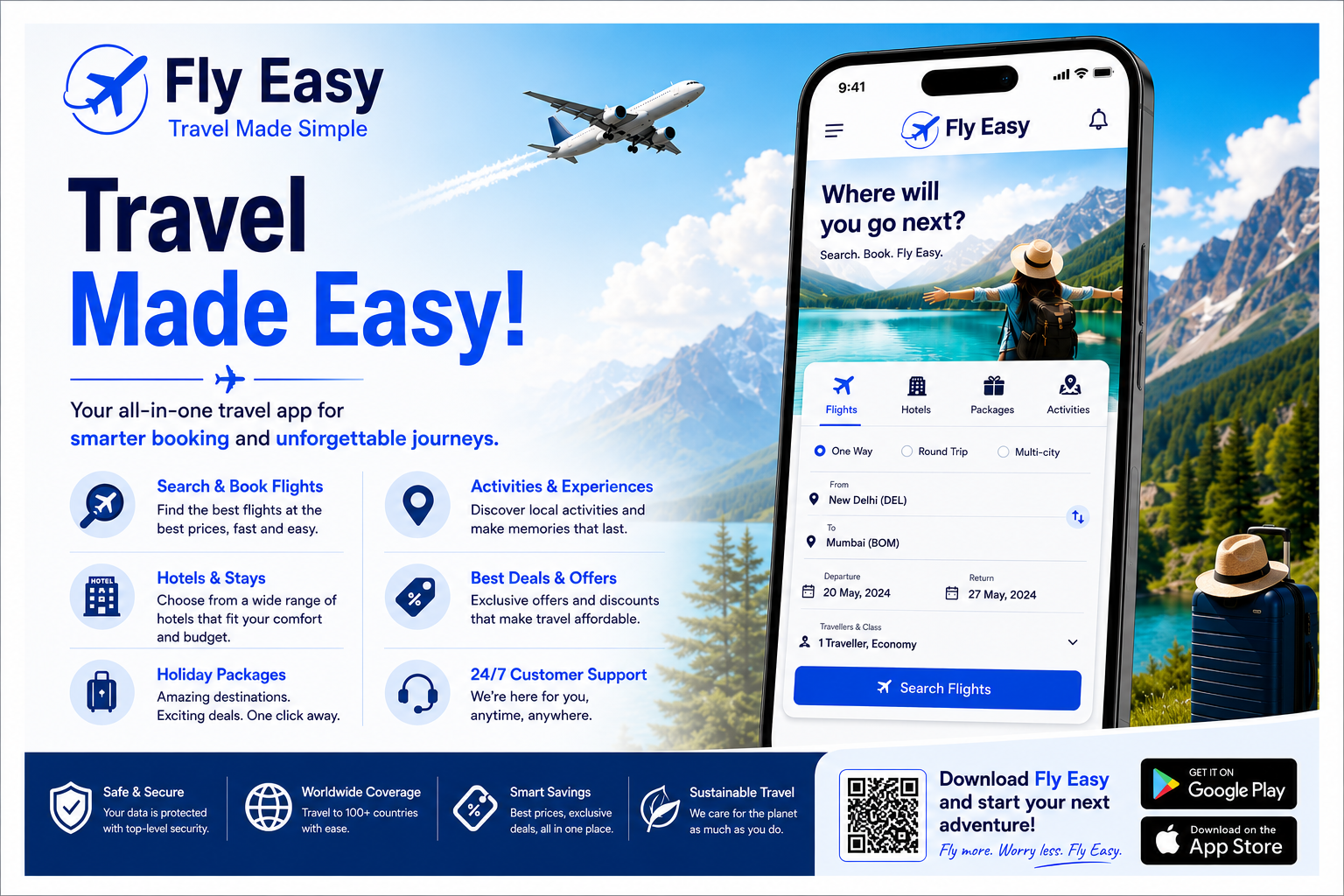
Voice is a constraint, not a gimmick
A chat UI forgives vagueness — users can scroll, edit, retry. Voice forgives nothing. Shipping Flyeasy's voice concierge forced us to solve slot-filling properly: dates ("next Friday", "Sankranti weekend"), budgets ("under six thousand"), and the ambiguity of city names that share airports.
The confirmation contract
Our rule: the bot never spends money without reading back a complete itinerary and getting an explicit yes. Every booking utterance produces a structured summary — route, date, passenger count, fare — spoken and shown. Boring, and exactly why users trust it twice.
Telugu changed the architecture
Supporting Telugu was not a translation layer; it reshaped intent detection. Code-switched speech ("Hyderabad nunchi Delhi ki Friday flight") is the norm, not the edge case, so language detection runs per-utterance and the slot-filler is script-agnostic.
Handing off like a professional
When the bot escalates to a human agent, the agent inherits the full structured context — searched routes, stated budget, rejected options. The customer never repeats themselves. That handoff, more than any model choice, is what makes the bot feel competent.